Programme in Hamburg
Insights from industry experts and market participants
13 October 2026 - Networking Event
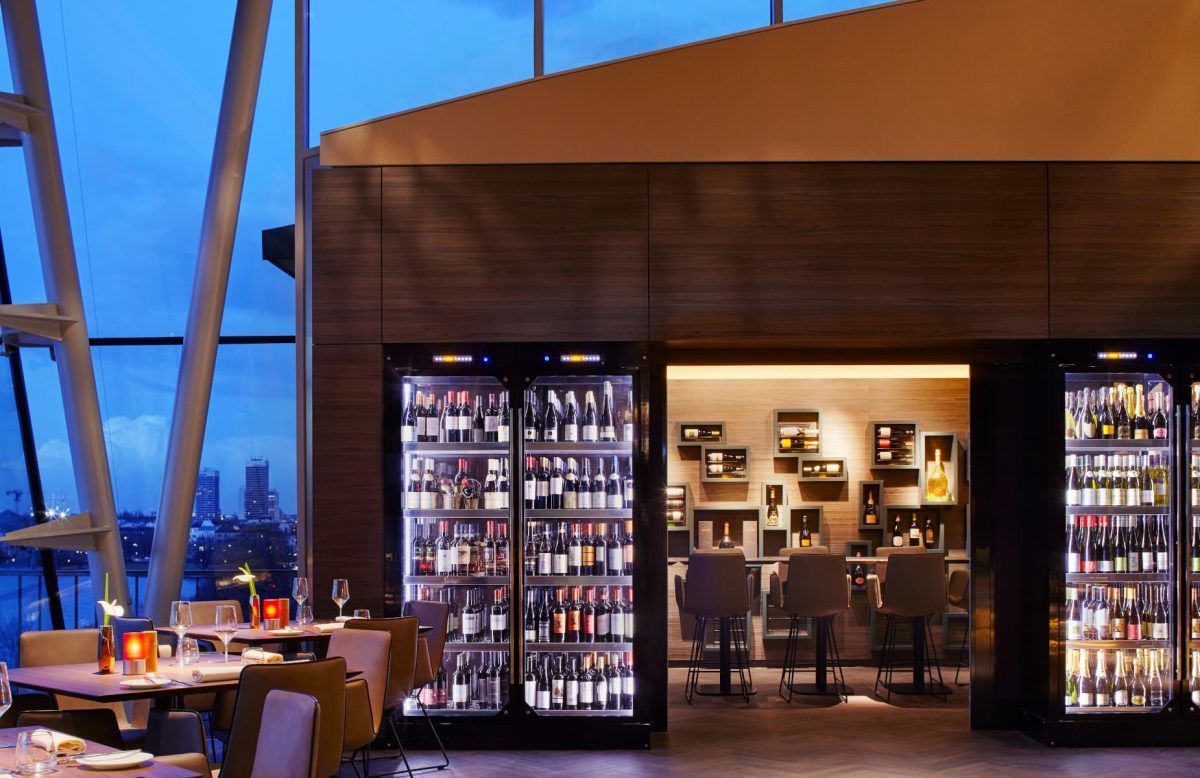
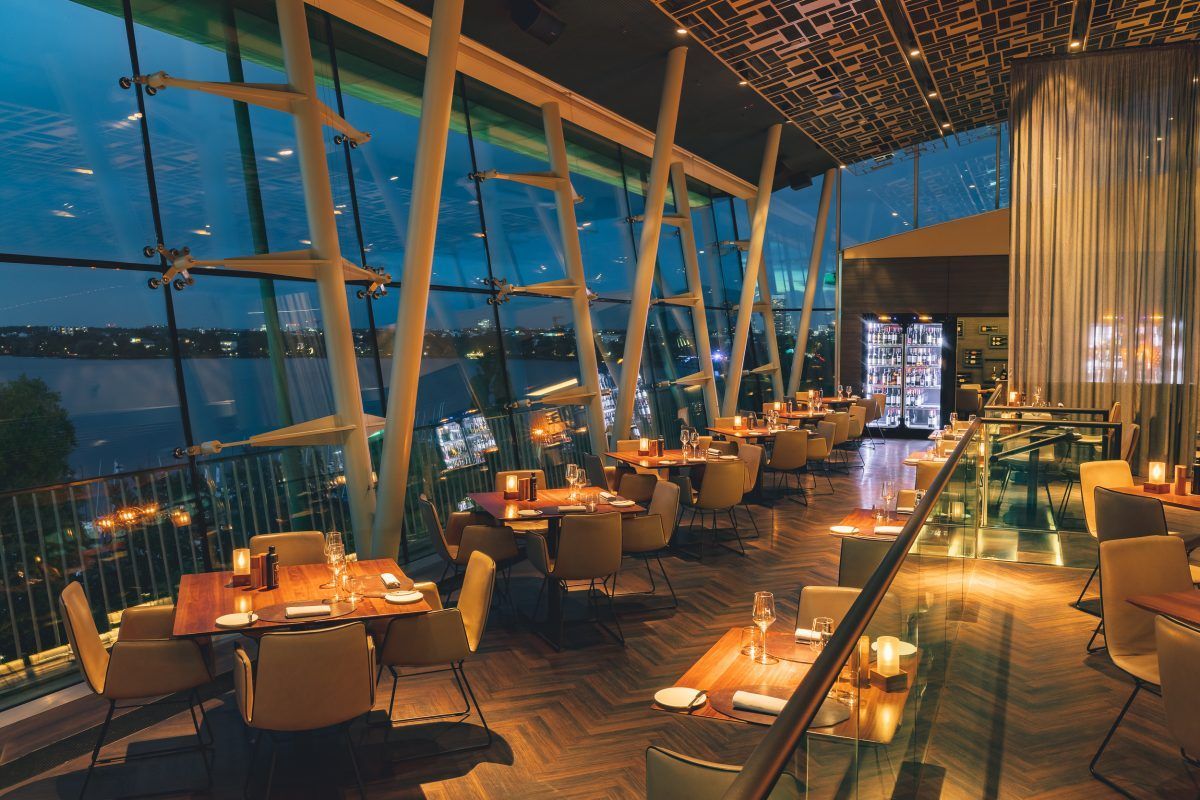
HERITAGE Hamburg,
An der Alster 52, 20099 Hamburg
Meet & exchange with speakers and fellow attendees
We cordially invite you to spend the evening of 13 October 2026 with us! Get in the mood for the event here, engage in conversation and exchange ideas on current topics. Enjoy intensive networking in an atmospheric setting!


from 6:30 - 7:00 p.m.
Check-in
from 7:00 - 7:05 p.m.
Opening Words by the Organizer

Maria Beyer-Fistrich
Editor-in-Chief Aerospace & Defence
Vogel Communications Group
from 7:05 - 7:35 p.m.
Executive Talks
Military Requirements, Industrial Might, and Innovation – How Europe is Unifying Its Defense Capabilities Faster
Discover how established companies, SMEs, and new defense players are jointly accelerating the integration of military requirements, technological innovation, and industrial strength.
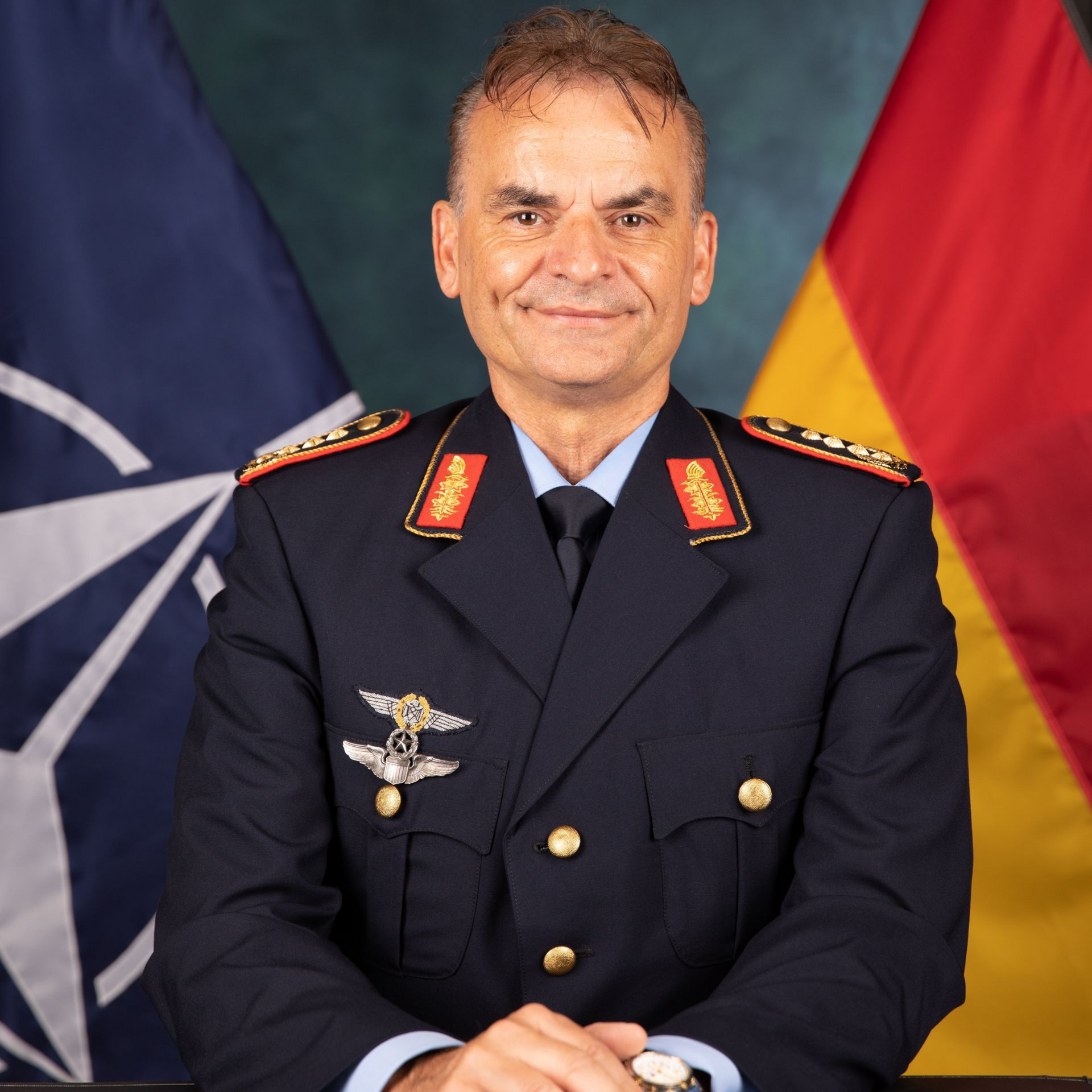
Five-Star Strategy and Defence LLC

BDSV / AVILUS
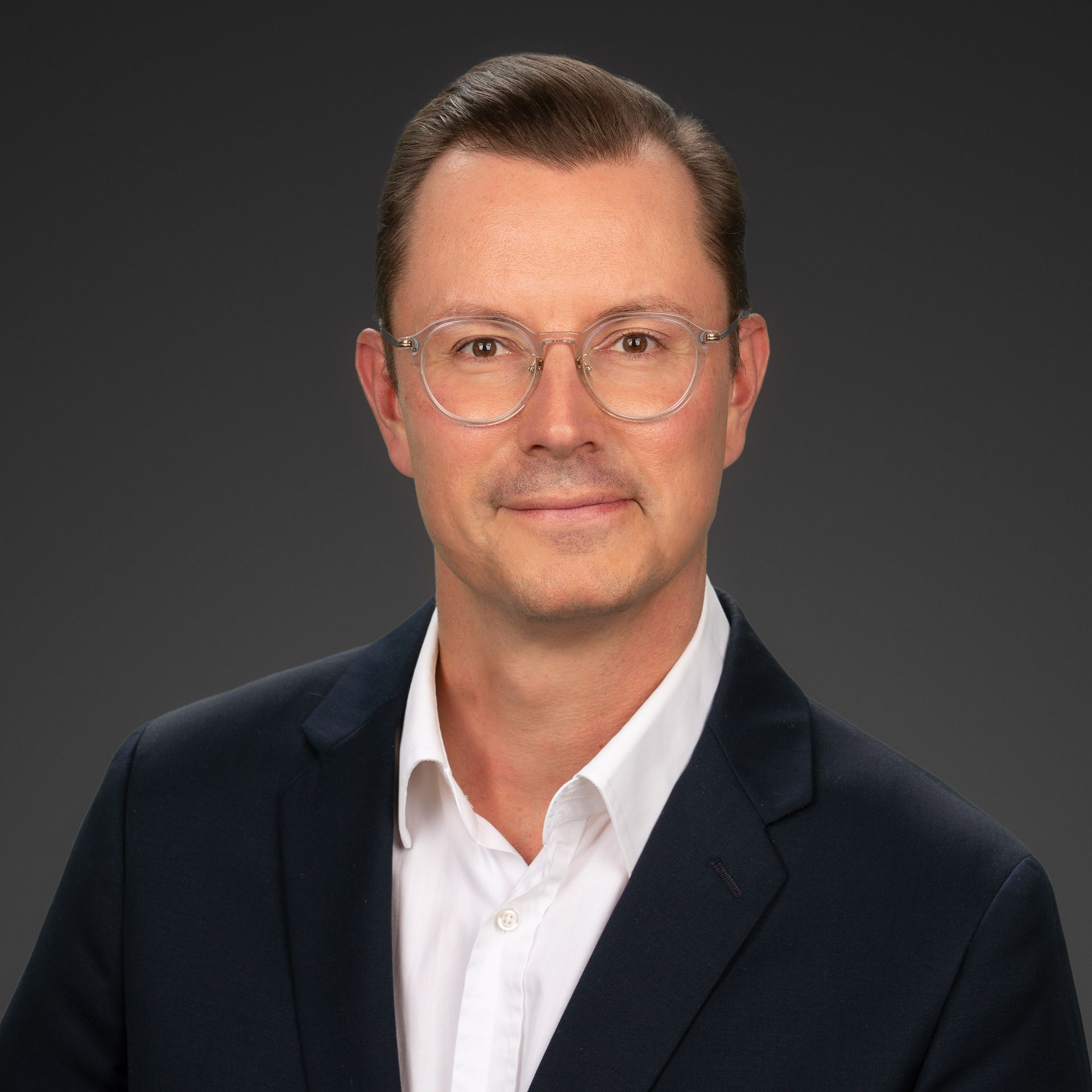
INLEAP Photonics
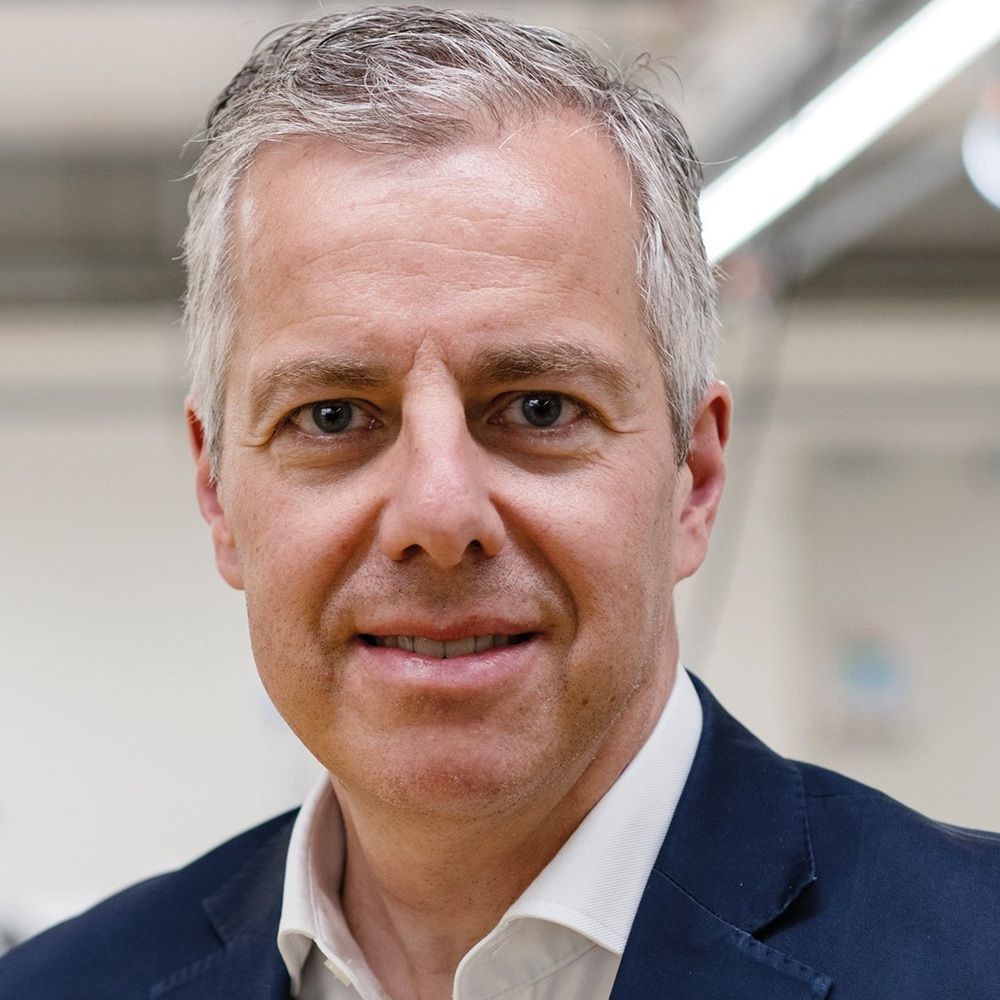
AUTOFLUG
from approx. 7:35 p.m.
Beginning of the ‘Flying Dinner’
14 October 2026 - Welcome Reception & Conference
from 8:00 a.m.
Check in & Welcome Coffee
Participant check-in, networking, and first discussions with participants at the European Defence Supply event location.
Note: Please expect stricter entry controls. There may be slightly longer times for waiting.
9:00 - 9:10 a.m.
Opening Words & Introduction
Maria Beyer-Fistrich
Editor-in-Chief Aerospace & Defence
Vogel Communications Group

Moderator
9:10 - 9:30 a.m.
Opening Keynote
From Innovation to Firepower: Scaling Europe's Defence Technologies
9:30 - 10:00 a.m.
Keynote
Strengthening NATO-Europe’s conventional capabilities after the NATO Summit from Ankara!
What are the decisions from the NATO Summit in Ankara with view to European conventional capabilities and how will this influence the European industrial base.
CEO
Five-Star Strategy and Defence LLC
(Former Deputy Supreme Commander at NATO ACT)
10:00 - 10:15 a.m.
Q&A Session
How Europe Can Make its Defence Supply Chains Faster, more Resilient, and more Innovative
European Commission
Five-Star Strategy and Defence LLC
Moderator
approx. 10:15 - 11:00 a.m.
Networking Break and Exhibition
11:00 - 11:30 a.m.
Ukraine: Opportunities and Risks for German and European Industry

learn more
As Ukraine continues to strengthen its defense and resilience, German and European industry plays a critical role in supporting capability development, supply security, and industrial cooperation. This discussion explores:
- Business opportunities for German and European companies, as well as key operational, regulatory, and geopolitical risks.
- How the Special Staff Ukraine facilitates collaboration between Ukrainian demand, government institutions, and industry stakeholders.
- Lessons Learned from Ukraine that can accelerate the development of more agile, resilient, and scalable European defense supply chains
11:30 a.m. - 12:00 p.m.
Regulation, Risk, and Readiness: Legal Hurdles in European Defence Supply

learn more
As Europe's defense sector accelerates and dual-use technology moves from niche to mainstream, export control compliance has never been more critical — or more complex. This session will cut through the regulatory maze confronting defense supply chain professionals, from the classification of dual-use items and military equipment to the often-overlooked pitfalls of technology transfers, cloud computing, and cross-border logistics. Drawing on real-world scenarios across the full value chain, attendees will gain actionable frameworks for identifying tipping points, aligning with authorities, and embedding compliance from the outset. Whether you're navigating EU regulations or German national controls on military items and war weapons, this talk delivers the practical clarity you need to move fast without falling foul of the law.
12:00 - 12:45 p.m.
Panel Discussion
The New Procurement Interface – From Political Ambition to Industrial Capability
What industry needs to understand before making initial contact with authorities/prime contractors: roles, processes, expectations, common mistakes.
European Commission
Five-Star Strategy and Defence LLC
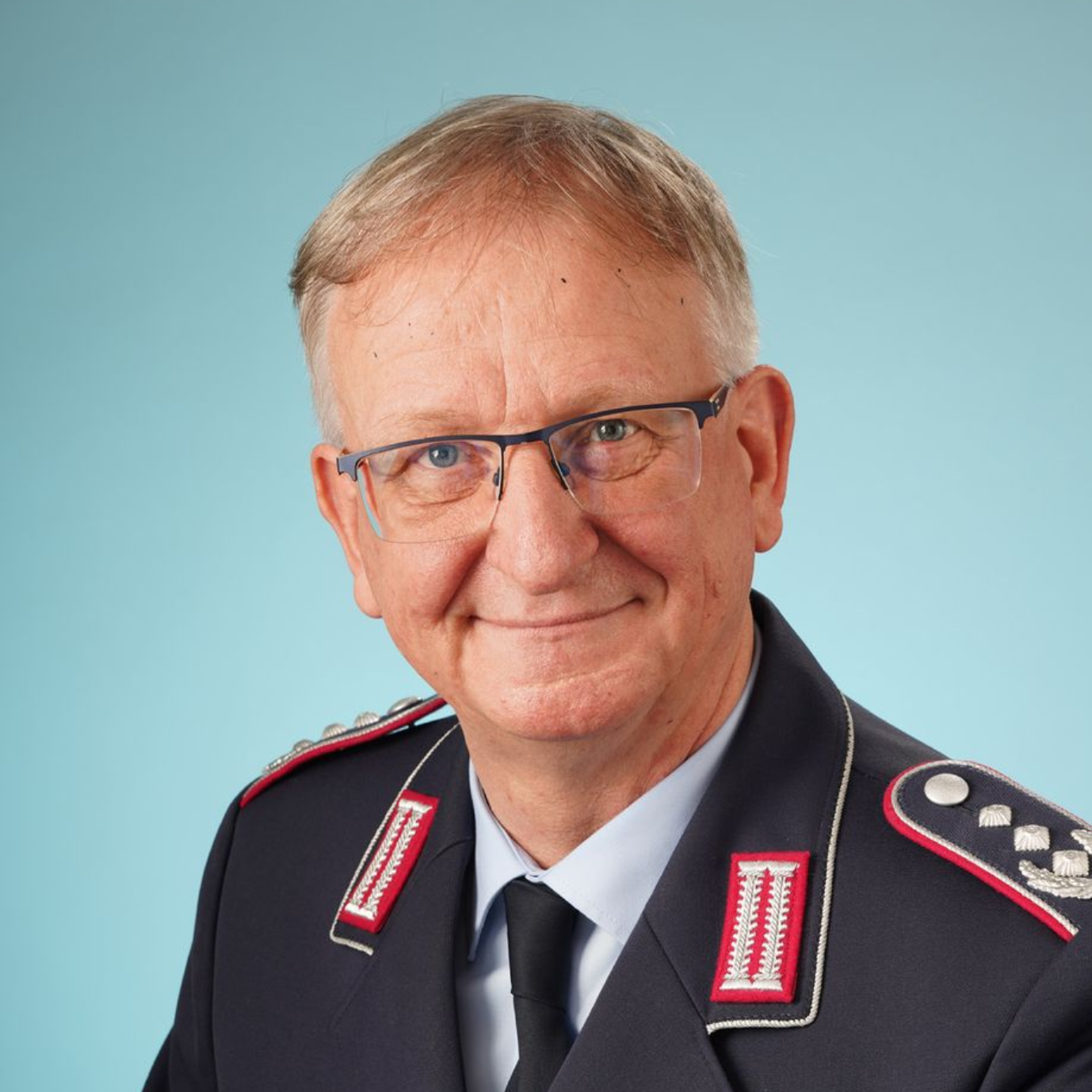
GW Defense Invest
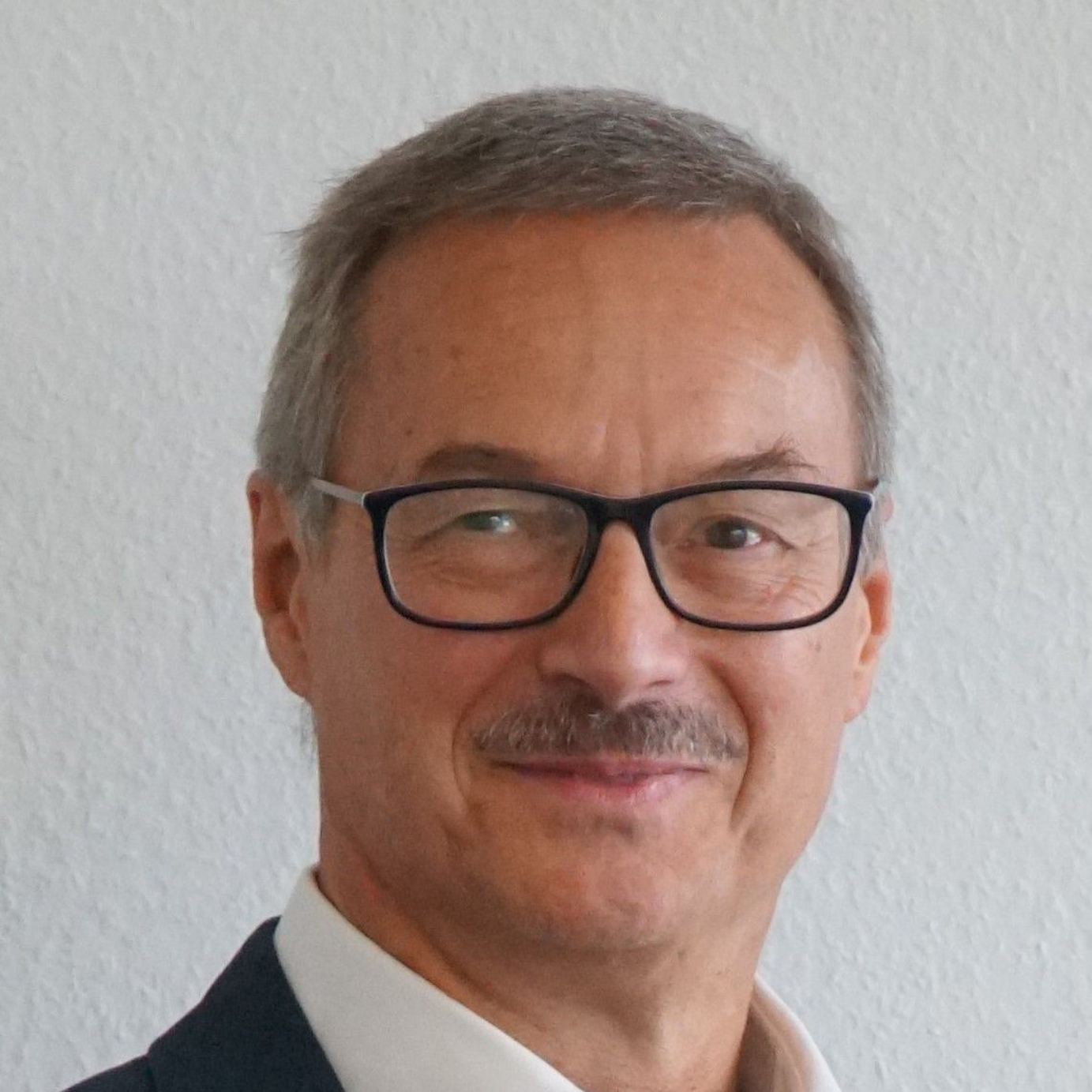
Major General (ret.) Wolfgang Gäbelein
German Association for Defence Technology e. V. (DWT)

Christof Späth
CESCON Mobility Solutions
(Moderation)
12:45 - 1:45 p.m.
Lunch break and Networking
Informal exchange at thematic tables with clusters, associations, and peers.
1:45 - 2:15 p.m.
Main Stage
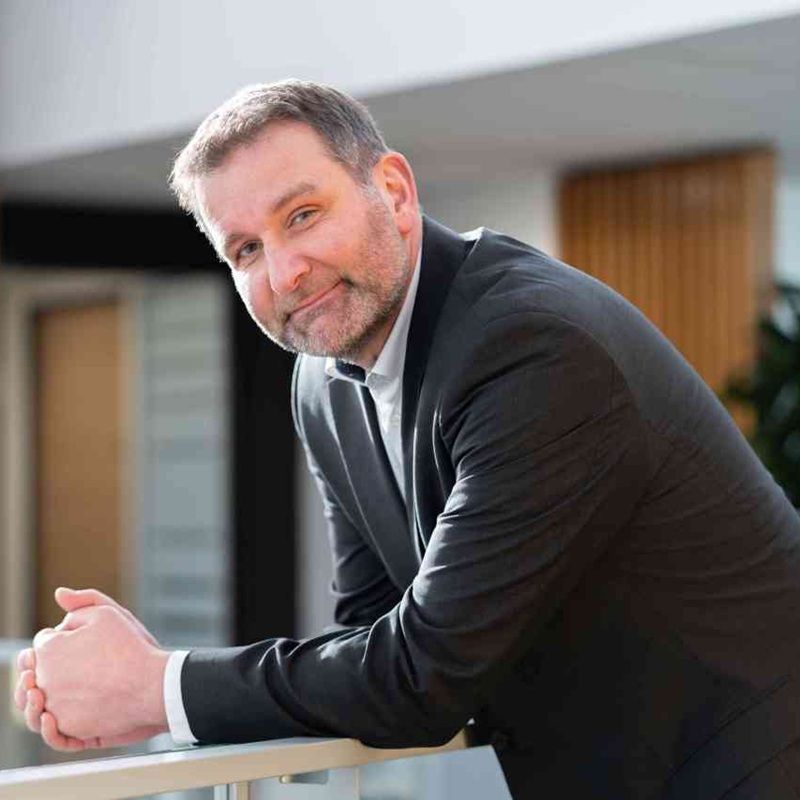
Protection and Security of Critical Submarine Systems
learn more
In light of the geopolitical situation and its reassessment within NATO, increased demands are being placed on the naval forces existing and newly designed operational systems, particularly with regard to submarines. The protection of these systems as part of an integrated NATO doctrine is becoming increasingly important. New concepts and solutions for protection and rescue are being developed based on existing and continuously expanding operational experience with submarine fleets currently in service. ArianeGroup is expanding its proven RESUS system to include new capabilities.
Deep Dive Stage I – Room Sao Paulo
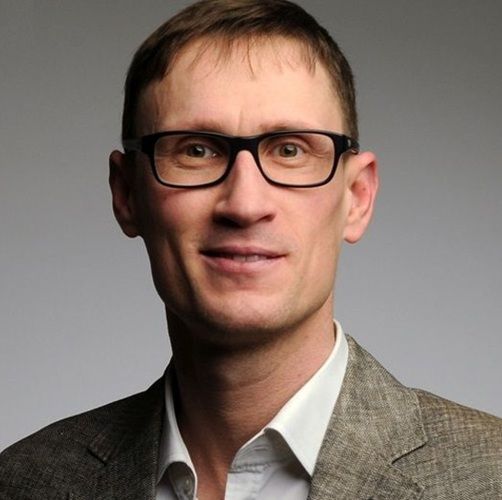
Safety & Security in Defence and Mission-Critical Applications
learn more
MCAs are special cases for companies, which are new in military supply chain. Because the mission is not part of the scope of supply, but the scope of supply can have serious impact on the success or failure of the planned mission. We will focus on two different disciplines: Security & Safety – serve as examples to show interfacing points of project requirements and the importance of technical civil standards. And finally, we will clarify where company processes and technical documentation help to gain new projects and keep the business future proof.
Deep Dive Stage II – Room Tokyo
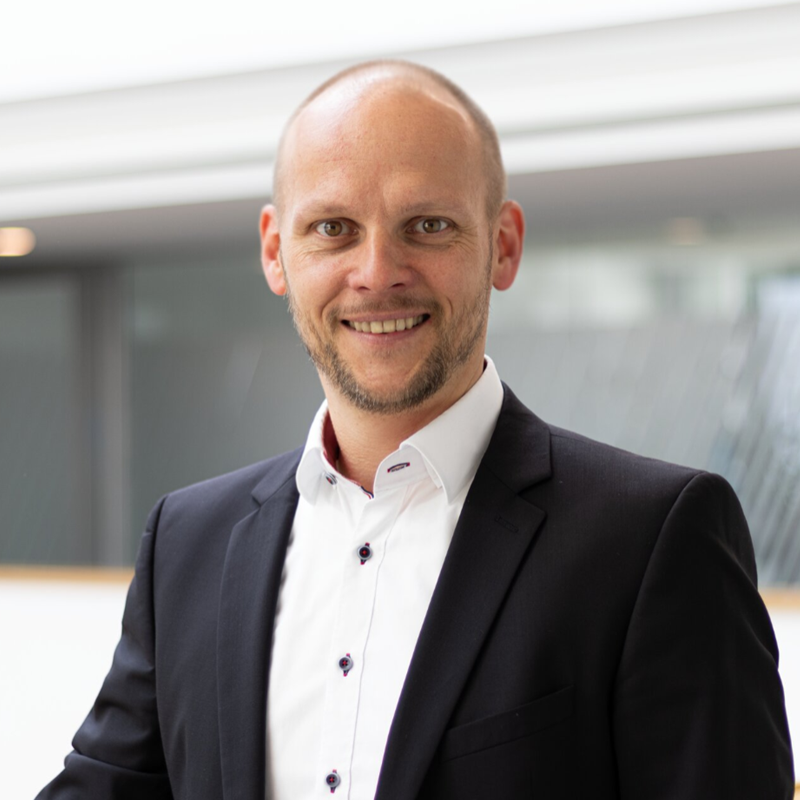
Replacing legacy systems securely: The path to faster digitalisation in aerospace and defence
learn more
Defence capabilities are not only enabled by hardware, but also by software that operates quickly, securely and scalably. In many aerospace and defence companies, however, legacy systems are holding back digitalisation: they are difficult to integrate, costly to modify and critical to day-to-day operations. At the same time, demands for security, traceability and quality-assured implementation in accordance with standards such as AQAP are increasing. The focus is on a tried-and-tested approach to the secure modernisation of legacy software: from an initial assessment, through automated code and architecture analysis, to prioritised refactoring, quality gates and auditable documentation. This makes technical risks manageable and enables modernisation projects to be implemented more quickly. Participants will learn how organisations can modernise more quickly without lengthy in-house development phases, reduce the time-to-market for their software modernisation projects by up to 50 per cent, and lay the foundations for harmonised system landscapes, controlled update management and AI-supported decision-making processes.
2:15 - 2:45 p.m.
Main Stage
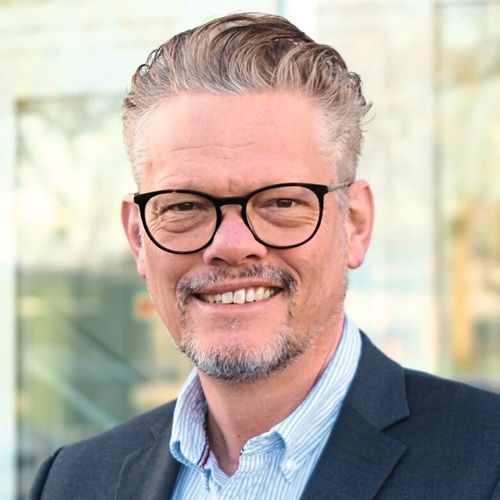
Counterfeit Electronic Components in the Defense Supply Chain: Risks and Advanced Detection Methods
learn more
The risk of counterfeit electronic components in the defense supply chain is a growing concern, threatening system reliability, operational safety, and security. Counterfeit parts may not meet required specifications, leading to premature failures or vulnerabilities in mission-critical applications. Rigorous testing and inspection processes are essential to identify and prevent the integration of such components. By employing advanced analytical techniques, including electrical, physical, and material analysis, it is possible to verify authenticity and ensure compliance with industry standards.
Deep Dive Stage I – Room Sao Paulo
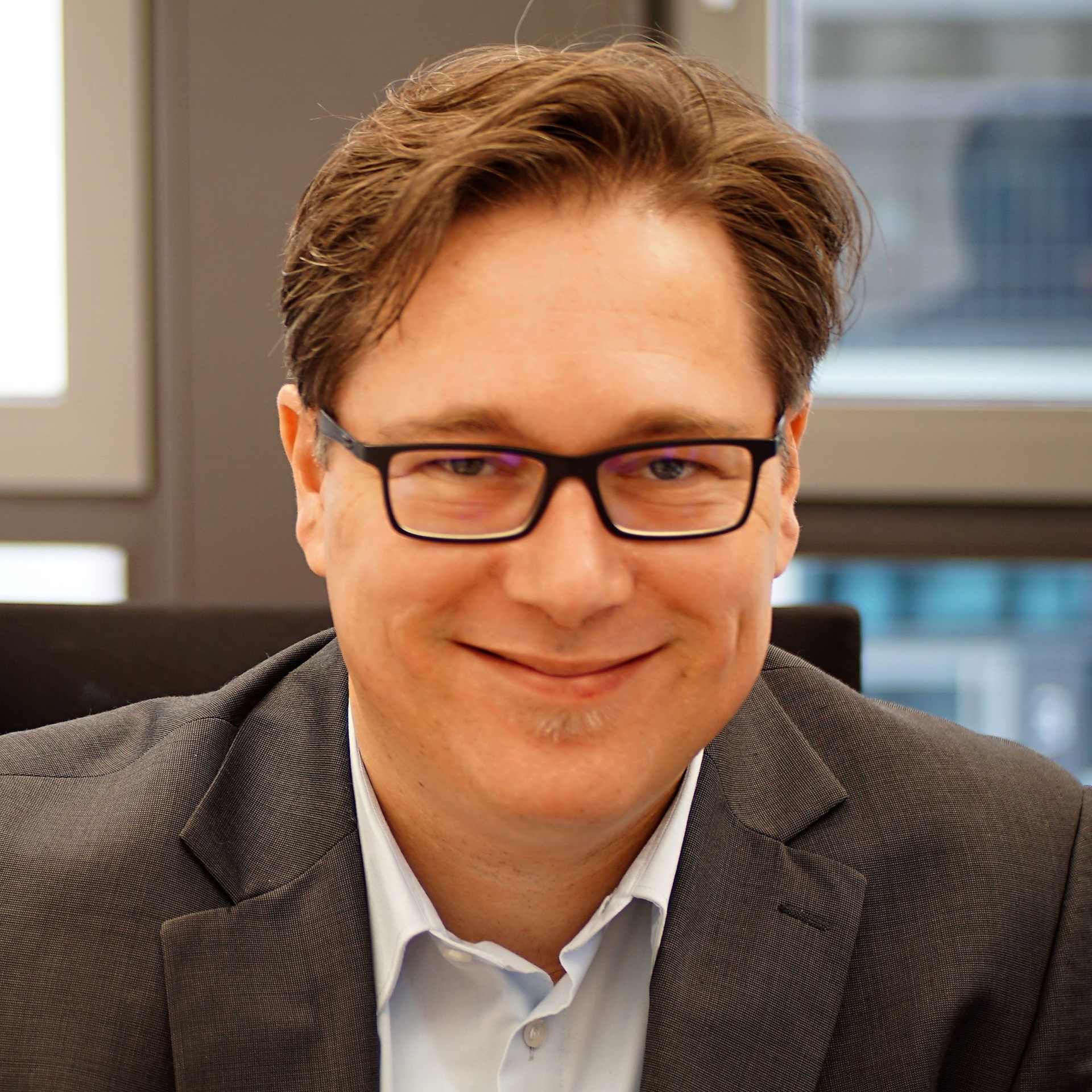
Accelerating Naval Capability Development through Multiphysics Simulation
Reducing signatures, technical risks and time-to-capability
learn more
Modern naval systems combine increasingly complex technologies while development, integration and qualification cycles are under growing pressure. Using the prediction and reduction of acoustic, electric and magnetic ship signatures as a practical example, this presentation illustrates how multiphysics simulation can help identify technical risks early, assess system interactions before physical integration and reduce costly late-stage design changes. By complementing physical testing with virtual development and validation, simulation can support faster integration and qualification of complex naval systems and help shorten the path from new technology to operational capability.
Deep Dive Stage II – Room Tokyo
What the Defence Sector Can Learn from Civilian Innovation

learn more
Europe boasts excellent research and high-performing companies—yet it often takes too long for a technological idea to become an operational capability. One reason for this is the dominant “technology push” approach: Technologies are developed along the TRL scale, from basic research to market readiness, while users, applications, and procurement are often not involved until late in the process. This results in long development cycles—and, at times, solutions that are technically impressive but fail to address the actual challenge. The defence sector therefore needs a shift in perspective: from a “technology push” to a “challenge-driven market pull.” The starting point is not existing technology, but a specific operational challenge. Military users, industry, and researchers develop hypotheses, test different approaches early on, and refine them through short learning cycles. Small-scale experiments, agile development, and continuous user feedback do not replace safety, certification, and verification—they ensure that the right things are tested sooner. The Deep Dive demonstrates how technological maturity and operational learning can be organized in parallel and what structures Europe needs to more quickly transform urgent challenges into effective, procureable, and scalable capabilities.
2:45 - 3:30 p.m.
Panel Discussion
How New Suppliers Become Part of Europe’s Defence Industry


Christof Späth
CESCON Mobility Solutions
(Moderation)
3:30 - 4:00 p.m.
Short Coffee break and Networking
4:00 - 4:30 p.m.
Main Stage
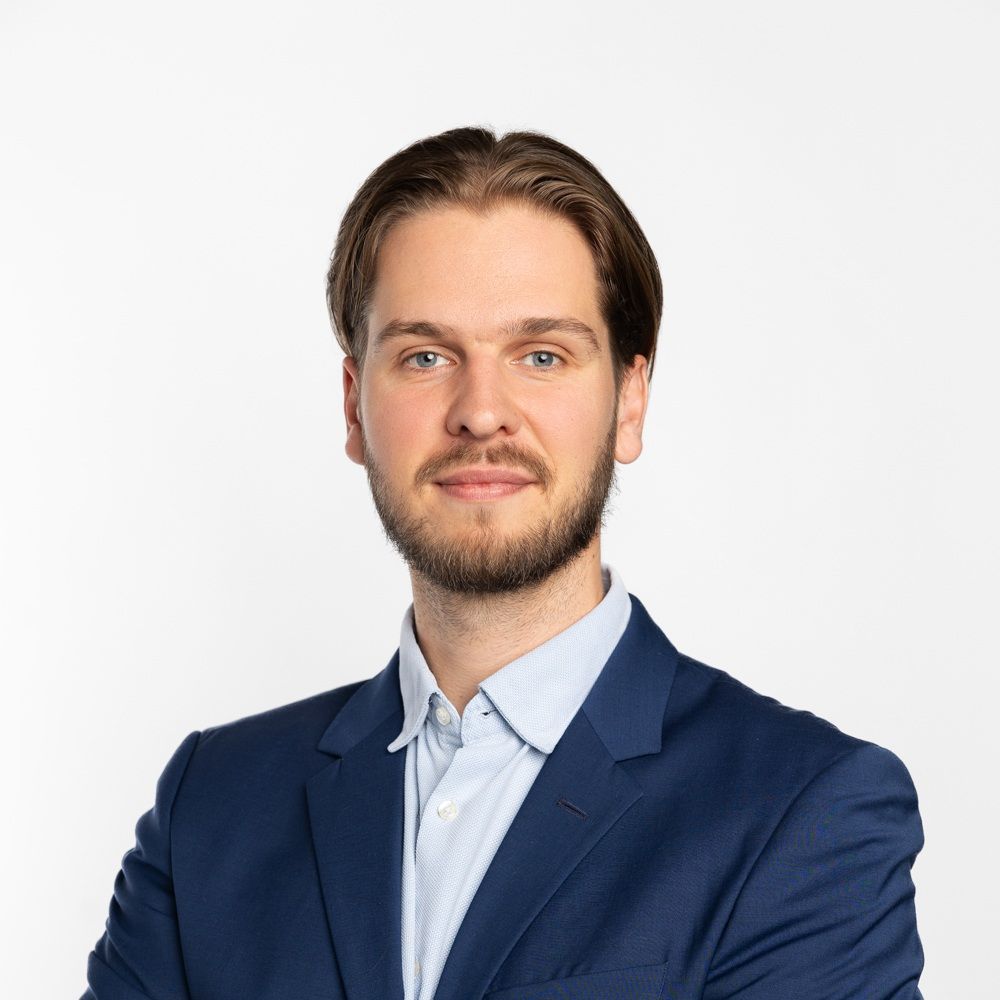
Build Defence Capability at Speed: Practical Pathways for New Suppliers into European Defence Supply Chains
learn more
Europe’s defence-industrial challenge is no longer only about increasing budgets or developing new technologies. It is about execution: how to bring more companies into defence supply chains, shorten the journey from dual-use capability to qualified defence supplier, and convert rising demand into dependable industrial capacity.
This presentation will explore how smaller industrial ecosystems can contribute to that goal, using Lithuania as a practical case study. It will examine the main barriers faced by new suppliers, including certification, procurement, testing, financing, security requirements and access to established defence contractors. Europe will not close its defence-capacity gap through large prime contractors alone. It will also need specialised suppliers, dual-use technology companies and smaller industrial ecosystems that can integrate quickly, meet demanding standards and contribute resilient production capacity across Europe.
Deep Dive Stage I – Room Sao Paulo
AI, Functional Safety and Cybersecurity: Combine Them or Keep Them Apart?

learn more
Safety is no longer possible without security, and AI is increasingly entering both domains. But what happens when non-deterministic, data-driven algorithms meet disciplines built on predictability and verification? This talk explores the opportunities and risks of AI in safety- and security-critical systems. Does AI make systems more robust and reliable, and what does "better" even mean when behaviour cannot be fully specified or tested? While AI promises adaptivity and improved detection, it also adds complexity and new attack surfaces, whereas safety engineering strives to reduce complexity. The talk examines this tension and its consequences for architectures, standards and assurance.
Deep Dive Stage II – Room Tokyo
Groundbreaking COGD/IIOM approach to obsolescence management in the defense supply chain

learn more
Manufacturers and end users of durable capital goods, in particular, are currently experiencing on a daily basis just how vulnerable supply chains - which were long believed to be secure - can be in today’s reality. Institutions such as the International Institute of Obsolescence Management (IIOM), founded in 1997 by leading representatives of the defense, aviation und railway industries in the United Kingdom, and the Component Obsolescence Group (COGD) Deutschland e.V., founded in 2005, support affected companies during these challenging times in minimizing, as much as possible, the risks arising from various forms of obsolescence. For some time now, a particular focus has been on obsolescence management in the defense supply chain. In their search for the most efficient solutions for the defense industry worldwide, the IIOM and the COGD - as the German chapter of the IIOM - work closely with key national and international authorities, organizations, and standards bodies, including the U.S. Department of Defense (DoD) and the British Ministry of Defense (MOD). Among other topics, the presentation will also address current NATO and DoD programs on “Diminishing Manufacturing Sources and Material Shortages” (DMSMS) and “Parts, Materials, and Processes” (PM&M), as well as IEC 62402 (obsolescence management), which is closely linked to the U.S. DoD standard SD-22 and several NATO standards.
4:30 - 5:00 p.m.
Lecture
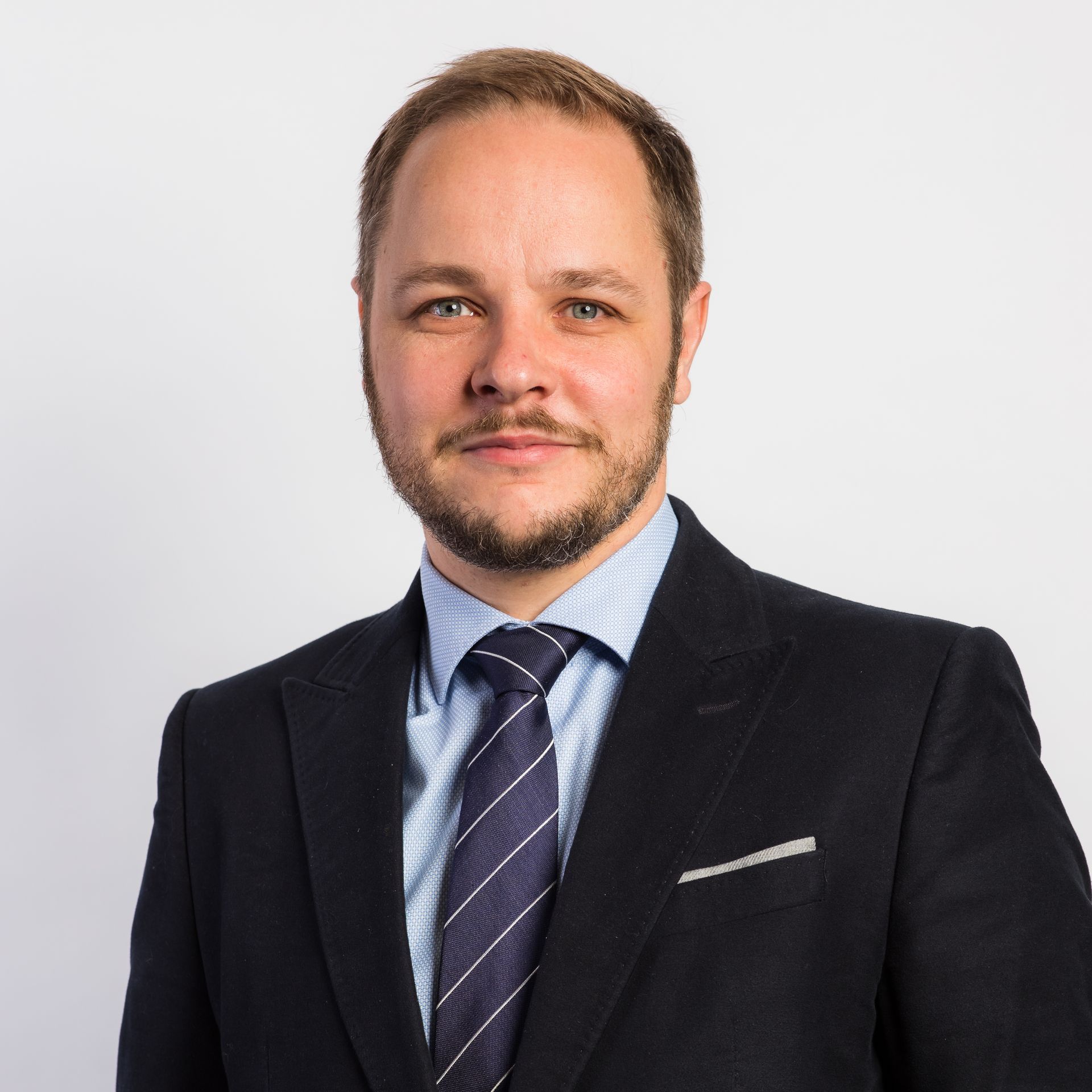
Scaling European Defence: Lessons from Joint Programmes, Local Industry Integration and Multinational Cooperation
learn more
Scaling European defence is not only about increasing production. It is about building trusted partnerships, integrating local industries and creating cooperation models that deliver capabilities faster and at scale.
Drawing on Patria’s experience in multinational programmes and industrial partnerships across Europe, Jussi Järvinen will share key lessons on how joint programmes, local industry integration and international cooperation can support Europe’s evolving defence needs.
5:00 - 5:30 p.m.
Closing Talk
What Has to Happen Next
From networking to industrial capability – what needs to happen after the event.
Patria

Daimler Truck AG
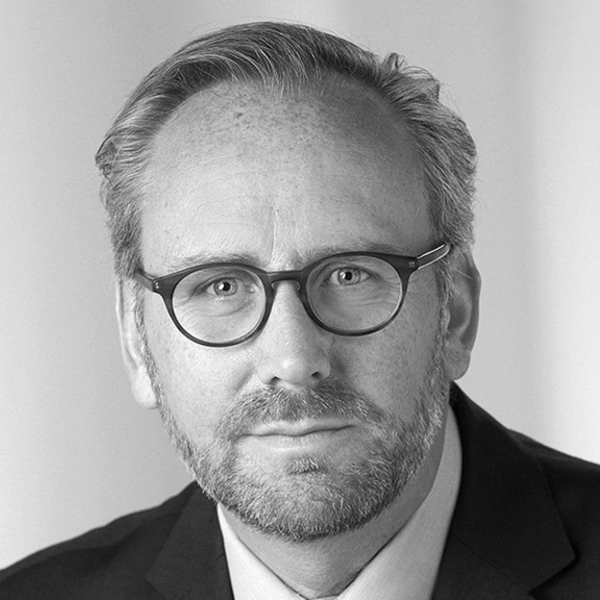
CRAB Analytics
Christof Späth
CESCON Mobility Solutions
(Moderation)
5:30 - 5:45 p.m.
Closing Remarks & Outlook 2027
Maria Beyer-Fistrich
Editor-in-Chief Aerospace & Defence
Vogel Communications Group
